In the world of nutrition, there is a pervasive and dangerous myth: that more is always better. Millions of consumers choose their supplements based solely on the "Total Mg" listed on the front of the bottle, assuming that a higher number equals a more effective product. However, this ignores the most critical factor in physiological efficacy—Bioavailability.
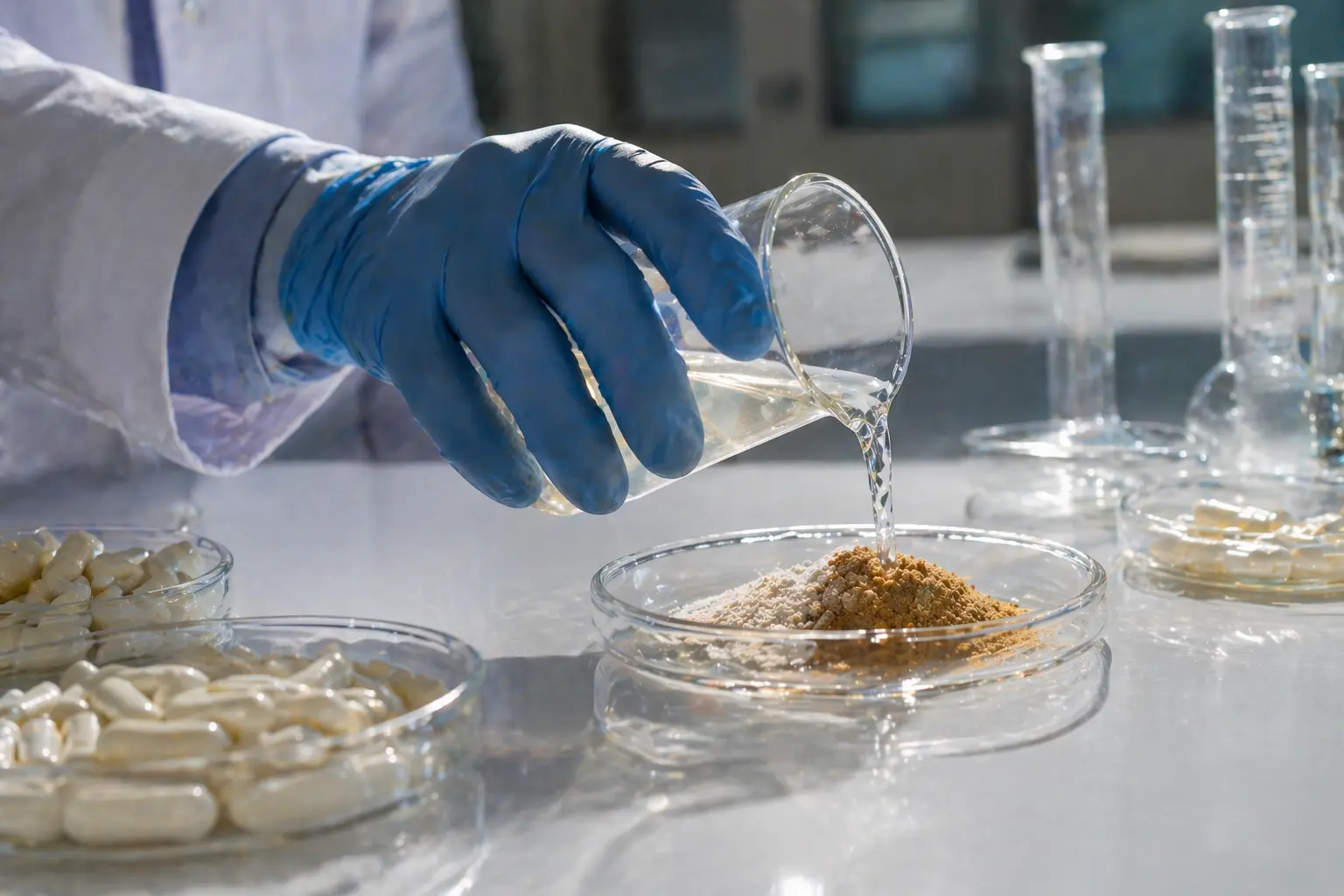
Beyond the Label: Prioritizing systemic uptake over raw dosage.
Defining Bioavailability: The Journey to the Bloodstream
Bioavailability refers to the fraction of an administered dose that reaches the systemic circulation in an active form. When you consume a capsule, it doesn't magically appear in your muscles or brain. It must survive the highly acidic environment of the stomach, be recognized by the transport proteins in the small intestine, and pass through the liver before it can exert any biological effect.
For many common supplement forms, the bioavailability is shockingly low. For instance, Magnesium Oxide has an absorption rate as low as 4-5%. This means if you take a "500mg" capsule, only 20-25mg actually enters your system. The remaining 475mg stay in your gut, where they act as an osmotic laxative, causing gastric distress and bloating.
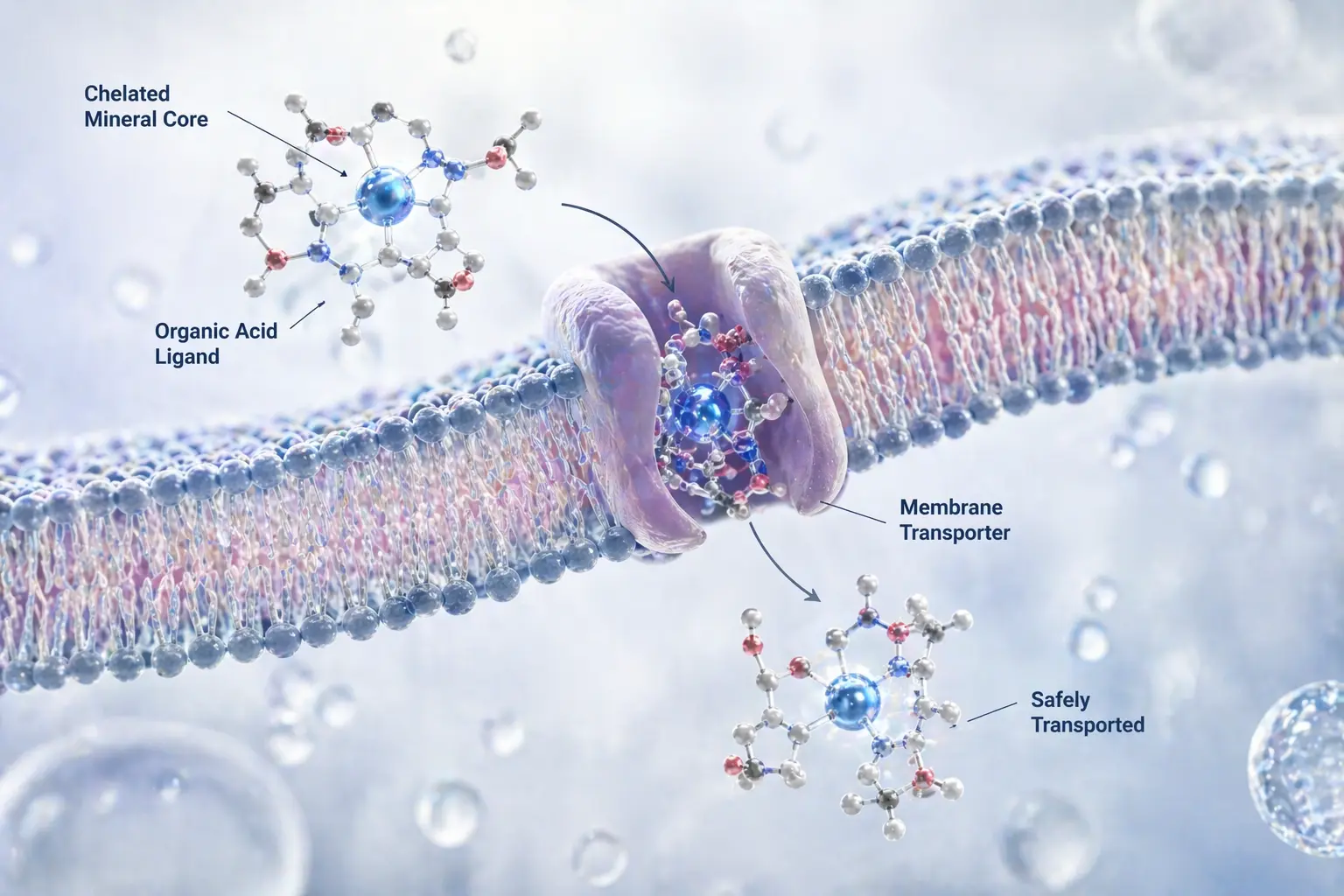
Chelation Transport: Wrapping reactive minerals in organic acids for mucosal passage.
The Gastric Barrier and the Choice of Organic Acid Chelates
The primary bottleneck for absorption is the chemical form of the nutrient. Inorganic salts (like sulfates and oxides) often dissociate poorly in the gut and are not easily recognized by cellular transporters. Myfitbe utilizes Organic-Acid Chelates (such as Gluconates and Bisglycinates).
In these forms, the mineral is "chelated" or bound to an organic molecule (like an amino acid or organic acid) that the body recognizes as food. This allows the nutrient to utilize active transport pathways, literally "hitchhiking" its way across the intestinal lining. This results in significantly higher absorption rates and, crucially, zero gastric irritation.
Standardization vs. Whole Root Powder
The absorption myth also extends to botanical extracts. A label might boast "1000mg of Rhaponticum Root," but if that root powder only contains 0.1% of the active compound (ecdysterone) you actually need, the dose is effectively useless. At Myfitbe, we prioritize Standardized Dry Extracts (e.g., 90% purity). This ensures that every serving contains the exact clinical dose of the bioactive molecule required to trigger a physiological response.
"The efficacy of any micronutrient is limited by its solubility and the efficiency of its transport across epithelial membranes, making chelation the gold standard for mineral delivery." — Journal of Nutritional Biochemistry
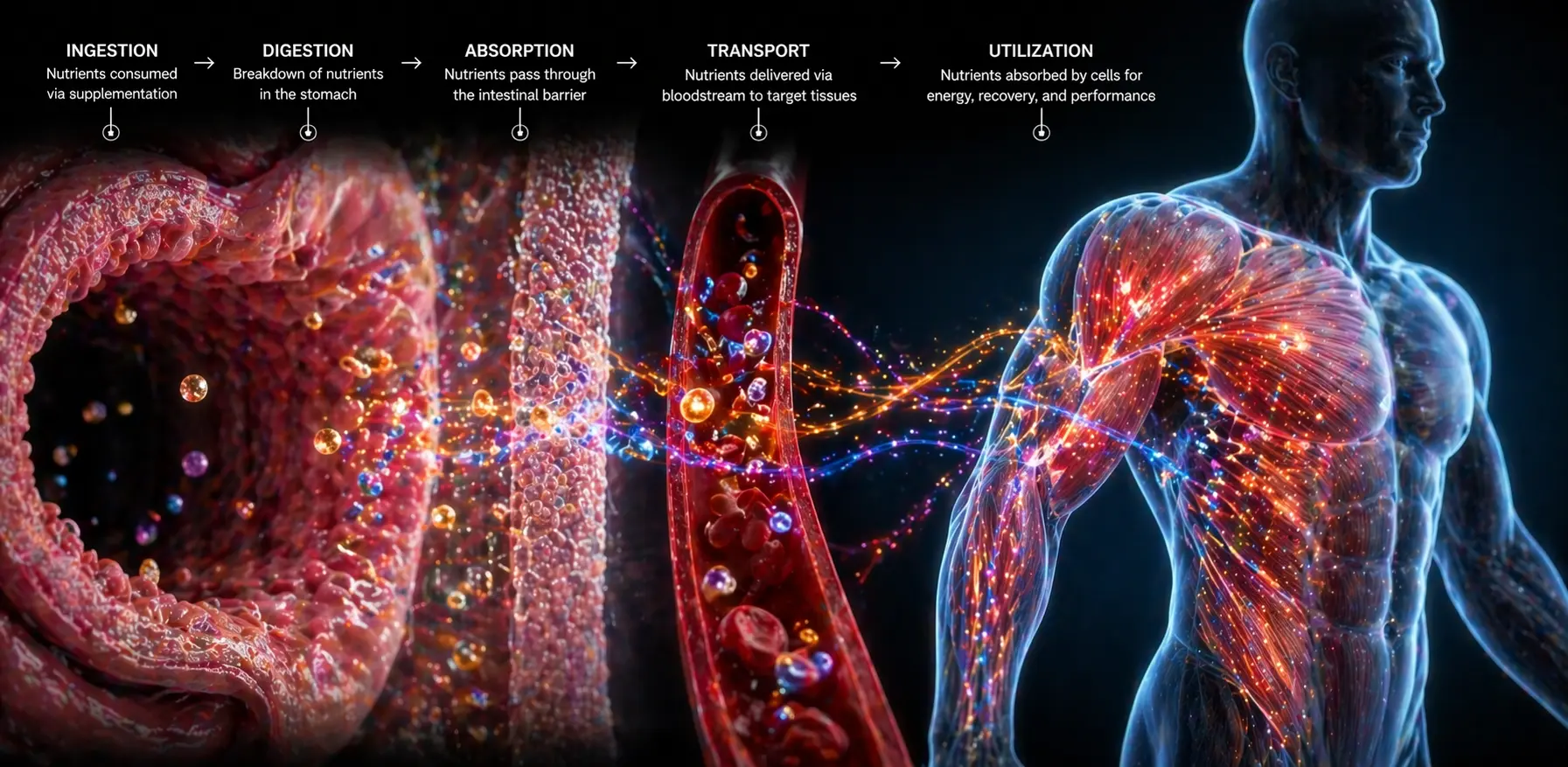
Cellular Integration: Ensuring active compounds cross the barrier for systemic use.
What to Look for in a High-Bioavailability Supplement:
- Chelated Minerals: Look for "Bisglycinate," "Gluconate," or "Malate" rather than "Oxide" or "Sulfate."
- Standardized Extracts: Ensure the label lists the percentage of the active bioactive compound (e.g., % Saponins or % Ecdysteroids).
- Flow Agents: Avoid synthetic fillers like magnesium stearate that can potentially hinder the dissolution rate of the capsule content.
Performance is about efficiency, and your nutrition should be no different. By focusing on absorption rather than just raw dosage, you ensure that every milligram you consume is actually working toward your goals.
The Myfitbe Editorial Board
Peer-reviewed clinical content